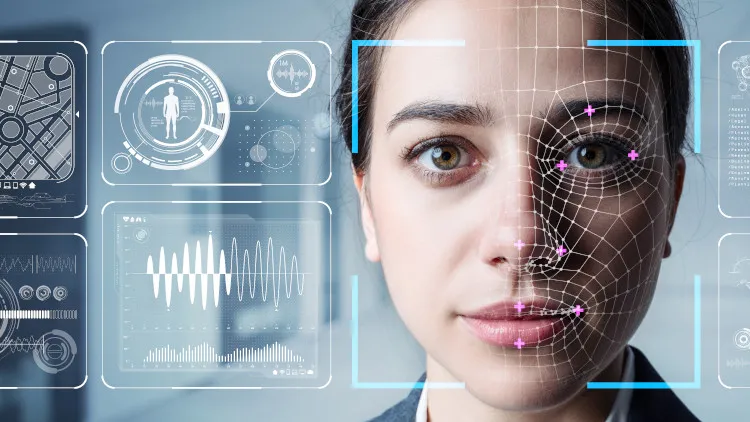
On the occasion of Diwali Milan this year, Prime Minister of India, Sh. Narendra Modi shared his concern regarding Deepfakes after seeing a fake video of him playing Garba.
Also, in a Deepfake the ‘Pushpa’ film actress, Rashmika Mandanna is shown walking out of an elevator in a revealing dress.
But what is a Deepfake?
Deepfakes are hyper-realistic fake videos. They are made using artificial intelligence that morphs a person’s face onto another in a prerecorded video. These fake videos are made in a way that they look very real and can fool almost anyone.
You may have come across Deepfakes of famous people like Mr. Obama, David Beckham, Mr. Trump, Mr. Putting, and many more. Deepfakes are also called Photoshop for videos.

How are Deepfakes made?
Deepfakes are created artificially using machines and technology. The technology is called deep machine learning. The computer is fed data about the person, his/her behaviour, mannerisms, voice, different clips of the person, etc. In short, artificial intelligence is taught everything about the person and then it uses the same knowledge to create fake videos. Deepfakes might be a person saying a false statement, or doing an inappropriate action, almost anything is possible.
How worried should you be about Deepfakes?
Yes, Deepfakes represent a significant concern in the digital age, with the potential to contribute to misinformation, social tension and can even heighten Global disputes at times. So, we should be careful. If you see any suspicious video, immediately report it, and do not share it further. Try to notice small errors like lip movement, actions, etc. (visual and audio inconsistencies) That might indicate that the video has been created artificially. Always verify the source. If you know it is not a verified source, block any account you receive such a video from.
But right now, the threat is only starting. The machine requires a lot of information and training data to create Deepfakes i.e., a lot of data and clips of the person. This is why we see Deepfakes mostly of famous people. So, you might be out of harm’s way.
But just like all technology, machines catch on fast. It might learn to make Deepfakes even with little information. So, be careful and do not trust suspicious sites and videos.
But Deepfakes are not the only dangers of the digital age. Various other notorious crimes are done through the digital network. Like cyberbullying, identity theft, phishing, ransomware, etc. All of these are termed as cybercrimes.
How does Cybercrime affect women?
The advent of social media is a two-sided coin. On one hand, it has brought us access to a lot of information and brought us closer to each other. While on the other hand, we face many fallouts like cybercrime. Though cybercrime can target anyone, they are more prone to target women as they are viewed as soft and vulnerable. So, women safety is of utmost importance.
How do Deepfakes affect women?
One big and upcoming example of cybercrime is Deepfake. In certain movies you may have seen men creating fake videos of women involved in sexual activity by morphing a woman’s face with another, to dishonour the woman. Fake photos, fake accounts, and fake chats are created to hurt women either out of anger, jealousy, animosity or to extract some benefit.
Women now need to be more careful with the pictures and videos they post online. If Deepfakes become easier to make, they might also target women.
If you face any threat from a cybercrime like deepfake, do not panic. Report it immediately to the Government cybercrime platform or the Police. Keep screenshots of all details, the account it was sent from, the contact number, any possible pictures, or videos of you he/she may have used to create that Deepfake clip. This will help the police catch the criminal fast.
The family, neighbours, and friends must not react aggressively. They should support the woman being targeted. Trust and belief are important in facing any situation. If the criminal is caught, it might save many more women targets and help previous victims as well. It is important to act smart and practically.

What do the authorities say?
The Ministry of Electronics & IT issued an advisory to all intermediaries to comply with existing IT rules.
Minister Shri Rajeev Chandrasekhar stated, “Misinformation represents a deep threat to the safety and trust of users on the Internet. Deepfake which is misinformation powered by AI, further amplifies the threat to safety and trust of our Digital Nagriks.
How To Report a Deep Fake?
Contact the National Cyber Crime Hub of India.
- You can call the National Cyber Helpline 1930
- You can report it on the reporting portal – https://cybercrime.gov.in/
- Follow the Twitter handle @Cyberdost for latest updates, advice, and any information about the Cyber Crime Portal
- Report it to the nearest police station immediately
- For more information do check out – https://www.indiancybersquad.org/how-where-to-report-cyber-crime
The increase in Deepfakes and other cybercrimes does not mean that you must stay shut in your houses. You can still enjoy your freedom like you do now. Just be careful of scammers and hackers and take immediate steps to report any wrongdoing. Help and take help when required. And together we can ensure that the world always remains a safe place for every person whether man, woman, child, or others.