

There was a time when a woman stepping onto a public stage risked more than criticism. She risked her reputation, her marriage, her family’s approval, and often her place in society. In the late nineteenth and early twentieth centuries, public performance was frequently viewed with suspicion, and women who chose music as a profession found themselves navigating rigid expectations surrounding gender, class, caste, and respectability. Yet some women refused to be silenced. Instead, they transformed music into a form of resistance. Every performance, every lesson, and every concert became an assertion of their right to exist on their own terms.
On World Music Day, as we celebrate the power of melody to unite people across cultures and generations, it is worth remembering the women whose lives changed the course of Indian music. Musicians did more than create extraordinary music, they challenged social conventions, expanded opportunities for women artists, and proved that talent could flourish even in the face of prejudice. Their stories remind us that some of the most powerful revolutions are not fought with slogans, but with a voice that refuses to be quietened.
Before these singers became legends, they were daughters. And before they found audiences, they found people who believed in them. Mothers who made sacrifices, fought social expectations, and nurtured talent when society expected girls to prepare only for marriage. Their stories reveal an often-overlooked truth: long before feminism became a movement, many women were already practicing it in their homes, ensuring that the next generation would have opportunities they themselves had been denied.
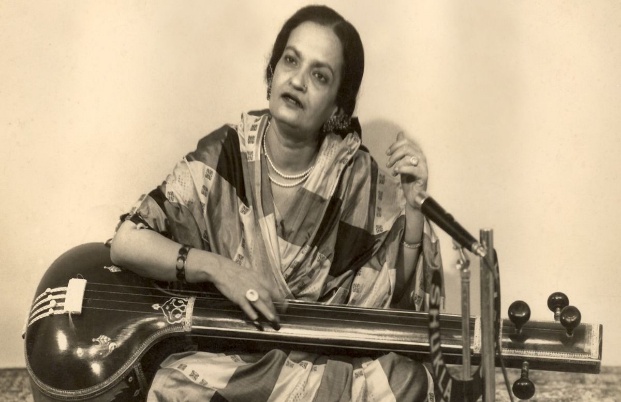
For Begum Akhtar, music was both refuge and rebellion. Her soulful, velvety voice carried the pain of separation and the beauty of longing, turning every ghazal into an intimate conversation with her audience. Raised solely by her mother, Mushtari Begum, after being denied the support of her father’s aristocratic family, Akhtar grew up watching a woman survive and persevere in a world that offered few protections. Mushtari recognized her daughter’s gift and nurtured it despite the stigma attached to women performers. Yet even after becoming a celebrated artist, Begum Akhtar was expected to abandon music after marriage because public performance was considered unsuitable for a respectable wife. The silence that followed came at a tremendous cost. Deprived of the art that defined her, her health deteriorated. Her return to music was therefore much more than a career decision—it was an act of self-preservation and self-determination. By choosing to sing again, she reclaimed both her voice and her identity, eventually earning honours such as the Padma Shri and Padma Bhushan while inspiring countless women to choose their passions over societal expectations.
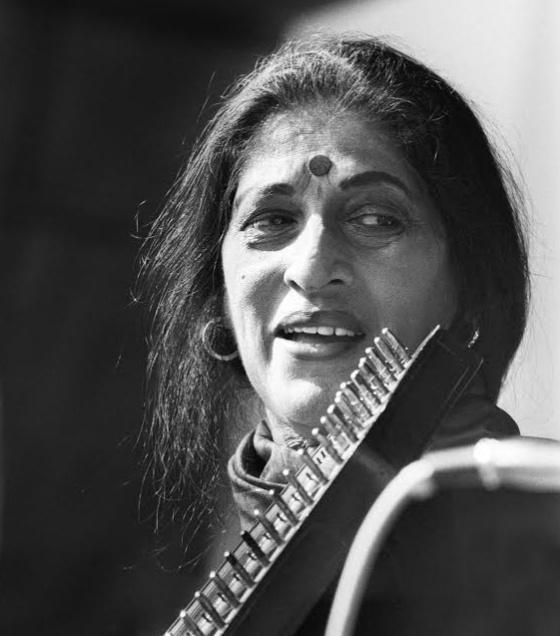
If Begum Akhtar’s story is about reclaiming a voice, Kishori Amonkar’s is about inheriting strength and transforming it into artistic freedom. After the death of her father, she was raised almost entirely by her mother, the legendary Mogubai Kurdikar. Life was far from easy. Financial struggles and social pressures accompanied the demanding task of raising a child while sustaining a career in classical music. Yet Mogubai remained steadfast in her belief that her daughter deserved the finest musical education possible. She became both mother and guru, devoting herself to preserving a tradition while preparing Kishori to carry it forward. But Kishori did not simply inherit a legacy—she reshaped it. Her introspective and emotionally rich style challenged rigid conventions within classical music, placing feeling and expression at the centre of performance. Without ever calling themselves feminists, Mogubai and Kishori lived the idea every day: one by refusing to surrender her independence as a single mother and musician, the other by insisting on creative freedom in a tradition that often valued conformity. Together, they demonstrated that women could not only inherit traditions but also redefine them.
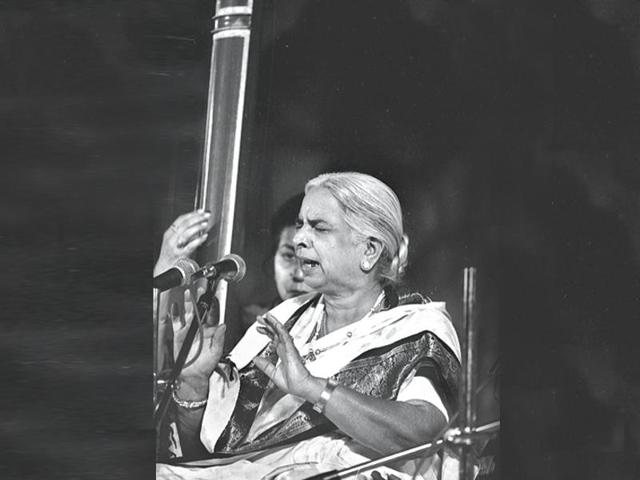
For Girija Devi, resistance took the form of confidence. Born in Banaras, she grew up in a society where girls were often expected to become dutiful wives rather than professional artists. While her mother hoped she would settle into a conventional domestic life, her father encouraged her curiosity, ambition, and individuality. She learned horse riding, swimming, and archery activities rarely associated with girls at the time and when her musical talent became evident, he arranged formal training under a guru. Yet support alone did not guarantee success. As a woman from an upper-class family performing publicly, Girija Devi encountered criticism from those who believed that respectable women should remain away from the stage. Every performance became a challenge to both gender expectations and notions of social respectability. Still, she remained unwavering. Her earthy, expressive renditions of thumri captured the spirit of Banaras while preserving a tradition that might otherwise have been lost. In continuing to sing despite social scrutiny, she demonstrated that women did not need permission to occupy public spaces or pursue artistic excellence.
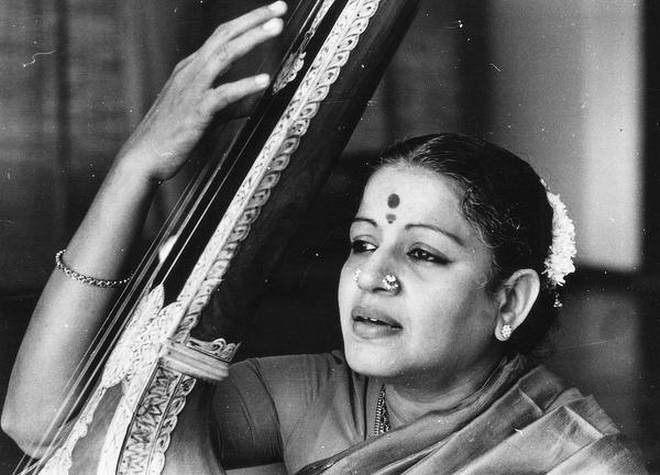
In southern India, M. S. Subbulakshmi was confronting a different set of barriers. Born into a family of musicians in Madurai, she inherited a deep love for music from her mother, Shanmukhavadivu Ammal, an accomplished veena player. Yet her journey was shaped not only by gender but also by the stigma attached to the devadasi community from which she came. Despite possessing extraordinary talent, she had to earn acceptance in prestigious musical circles that were often dominated by elite men. Guided by her mother’s unwavering support and her own relentless dedication, she gradually overcame these prejudices. Her voice pure, devotional, and transcendent captivated audiences across India and around the world. Through concerts, recordings, and international performances, she introduced countless listeners to the beauty of Carnatic music. Her achievement of becoming the first musician to receive the Bharat Ratna was not merely a personal triumph; it represented a historic breakthrough for women and for communities that had long faced exclusion from mainstream cultural recognition.
What unites these women is not simply their brilliance but the way they transformed music itself into a vehicle for change. Begum Akhtar elevated the ghazal to new artistic heights. Kishori Amonkar expanded the emotional and philosophical possibilities of khayal singing. Girija Devi preserved and popularized the Purab Ang tradition of thumri. M. S. Subbulakshmi carried Carnatic music from temple halls and concert stages to a global audience. Their contributions reshaped Indian music, ensuring that future generations inherited traditions that were richer, more diverse, and more inclusive.
This World Music Day, their stories remind us that music is never just about notes and melodies. It is also about courage, conviction, and the determination to be heard. These women did not challenge patriarchy alongside their music; they challenged it through their music. Every raga they perfected, every stage they stepped onto, and every audience they moved became proof that women belonged wherever talent could take them.
Today, their voices continue to echo through concert halls, archives, classrooms, and playlists across the world. Yet perhaps their greatest composition was the life they created for themselves, one in which women could sing not because society permitted it, but because they chose to. Their music survives as art, but their journeys endure as something even more powerful: a reminder that sometimes the most revolutionary act is simply refusing to stop singing.
