Summer is here and so is the scorching heat. Heatwaves have already gripped large parts of India, with the India Meteorological Department indicating rising intensity and spread across regions. What was once seen as a seasonal discomfort is now emerging as one of the defining challenges of the 21st century, affecting public health, economic systems, and everyday life. Its impacts extend beyond rising temperatures to public health, economic systems, and everyday life.
Heatwaves are becoming more frequent and intense, contributing to heat stress, reduced labour productivity, and increasing pressure on energy systems. At the same time, the growing reliance on cooling technologies, particularly air conditioning, has created a complex “heat cooling paradox”, where higher energy consumption and greenhouse gas emissions further accelerate global warming.
India faces a uniquely complex challenge. Its diverse climatic conditions, rapid urbanization, and rising incomes are driving a sharp increase in cooling demand, while large sections of the population still lack access to adequate and affordable cooling.
Heatwaves have intensified across the country, especially in urban areas where dense construction and limited ventilation increase heat stress. Rising temperatures are also linked to heat-related illnesses, including heat stroke, dehydration, cardiovascular strain, and the spread of vector-borne diseases such as dengue.
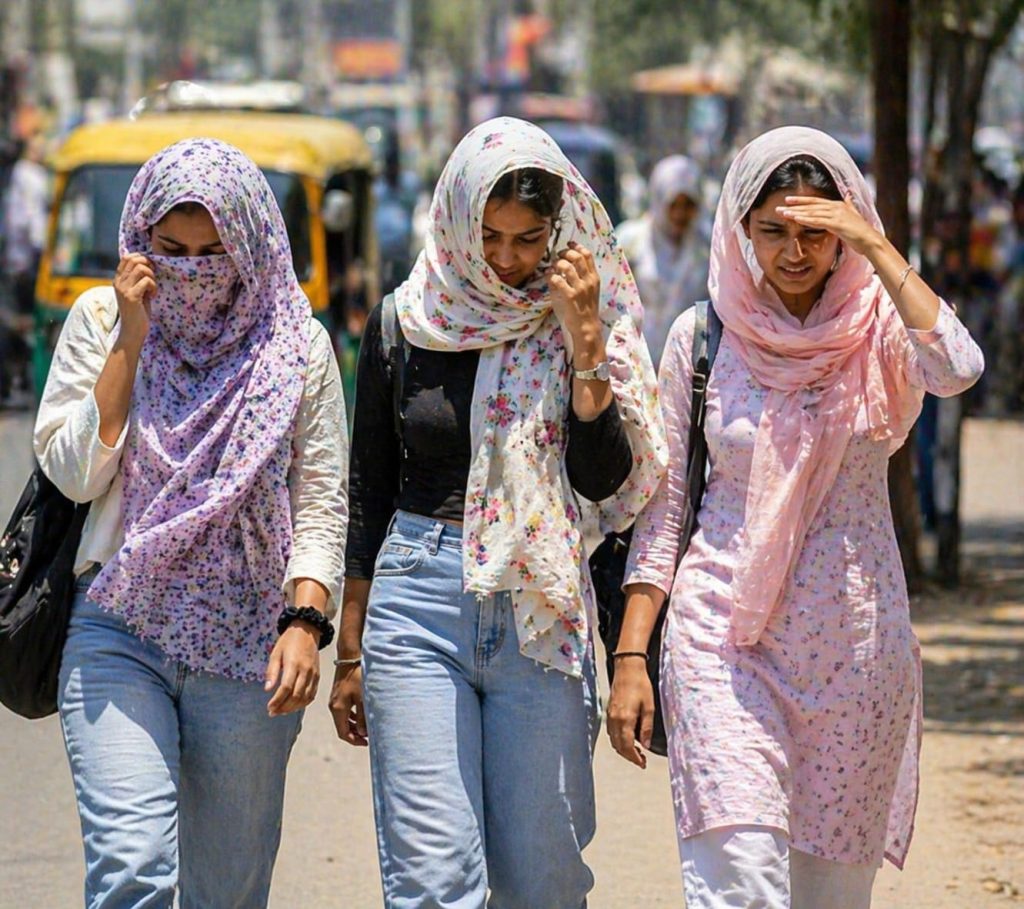
Ministry of Earth Science’s assessments indicate that India’s surface air temperature has risen by about 0.7°C between 1901 and 2018, while sea surface temperatures in the Indian Ocean have increased by about 1°C, reflecting long-term ocean warming trends that influence monsoon variability and extreme weather systems globally. International climate assessments, including IMD-aligned projections, indicate a continued rise in heat extremes, with increasing frequency of heatwave days and wider spatial spread across tropical regions.
Recent data indicates a sharp rise in global exposure to extreme heat. Nearly 23% of the world’s population was exposed to extreme heat around 2010, and this is projected to increase to about 41% by 2050, potentially affecting nearly 3.8 billion people, with South Asia among the most vulnerable regions. In India, strengthening adaptation measures, including Heat Action Plans and early warning systems, has become critical, with the India Meteorological Department playing a key role in forecasting heatwaves and supporting climate-resilient planning across states and districts.
The scale of vulnerability is significant. Over 84 per cent of Indian districts are now prone to extreme heatwaves, while nearly 70 per cent are also witnessing increased extreme rainfall events, indicating a dual climate risk. Heatwave exposure has intensified over time, with a sharp rise in extreme heat days in recent decades. Rising ocean temperatures further amplify atmospheric instability, increasing the likelihood of extreme rainfall, cyclonic events, and coastal risks.
The India Meteorological Department’s “Climate Hazard & Vulnerability Atlas” maps major climate risks across the country, helping identify hotspots and guide targeted action. Long-term analyses of rainfall patterns also show increasing variability and extremes, underscoring the need for climate-resilient planning.
These climate impacts are not gender neutral. Women are disproportionately affected due to their concentration in informal and outdoor labour such as agriculture, construction, vending, and domestic work, where prolonged exposure to heat is common and protective infrastructure is limited. Heat stress, dehydration, heat exhaustion, and heat stroke are increasingly reported risks among women workers.
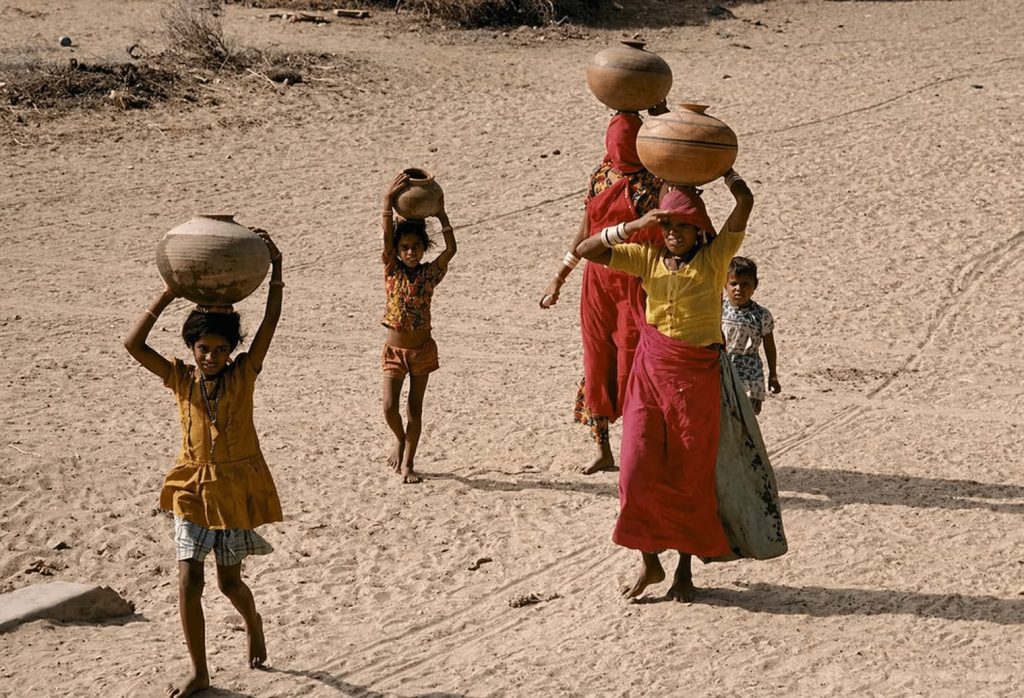
In addition, unpaid household and caregiving responsibilities require women to spend long hours in poorly ventilated indoor environments, increasing exposure to trapped heat and reducing recovery time, making it essential to address the interconnection between climate change and women. According to UN Women, “Women and girls bear the brunt of climate change impacts, worsening existing inequalities,” and climate change can push up to 158 million more women and girls into poverty by 2050. It further highlights increased burdens of unpaid care work, food insecurity, and health risks during climate extremes, especially where access to resources and mobility is limited. These inequalities intensify because women have fewer economic buffers, weaker access to healthcare, and greater exposure through informal livelihoods.
The economic and energy impacts are equally critical. Extreme heat is affecting productivity across agriculture, construction, and services, leading to measurable economic losses. Cooling demand now accounts for nearly half of peak electricity demand in summer months, reinforcing the heat cooling paradox through rising emissions and energy stress. At the same time, access to cooling remains uneven, reflecting systemic cooling poverty.
The public health dimension remains central. Prolonged exposure increases risks of heat stress, dehydration, and cardiovascular complications, while urban heat island effects intensify exposure for vulnerable populations including outdoor workers, the elderly, and low-income households.
In response, India has adopted a multi-layered approach. The India Cooling Action Plan provides a long-term framework to reduce cooling demand, improve energy efficiency, and expand access to sustainable cooling. Complementary initiatives such as the Energy Conservation Building Code and Eco Niwas Samhita promote climate-responsive design, while Heat Action Plans supported by early warning systems are strengthening preparedness and response.
Low-cost interventions such as cool roofs, improved ventilation, shaded infrastructure, and community cooling spaces are increasingly being promoted for vulnerable groups, including women workers.
Reflecting this urgency, at the Global Heat & Cooling Forum 2026, Hon’ble Union Minister of State (Independent Charge) for Science & Technology and Earth Sciences, and Minister of State in the Prime Minister’s Office, Dr. Jitendra Singh stated, “Global warming poses threat to health, environment, and overall economy, across the world.” Dr. Radhika Khosla noted, “We’re probably going to hit that 1.5-degree threshold in the next five years or so,” highlighting the urgency of near-term risks, while Dr. Adelle Thomas emphasized embedding heat resilience into development planning and prioritizing vulnerable populations.
India’s response to rising heat will be critical in shaping sustainable and equitable development, requiring coordinated action across sectors to manage risks while ensuring access to sustainable cooling for all.to sustainable cooling for all.
References
- PIB India – Climate Action & IMD Forecast Systems
https://www.pib.gov.in/PressReleseDetailm.aspx?PRID=2247522&utm_source=chatgpt.com®=3&lang=2
- Press Information Bureau (Global Heat & Cooling Forum 2026)
https://www.pib.gov.in/PressReleasePage.aspx?PRID=2253873&lang=1®=1&utm_source=chatgpt.com
- Ministry of Earth Sciences (via PIB – Climate Change Assessment & Data)
https://www.pib.gov.in/PressReleseDetailm.aspx?PRID=2247522&utm_source=chatgpt.com®=3&lang=2
- Global Heat & Cooling Forum 2026 (Official Background Note – Heat Cooling Paradox)
- UN Women Gender and Climate Change
- Indian Meteorological Department